
November 27, 2025
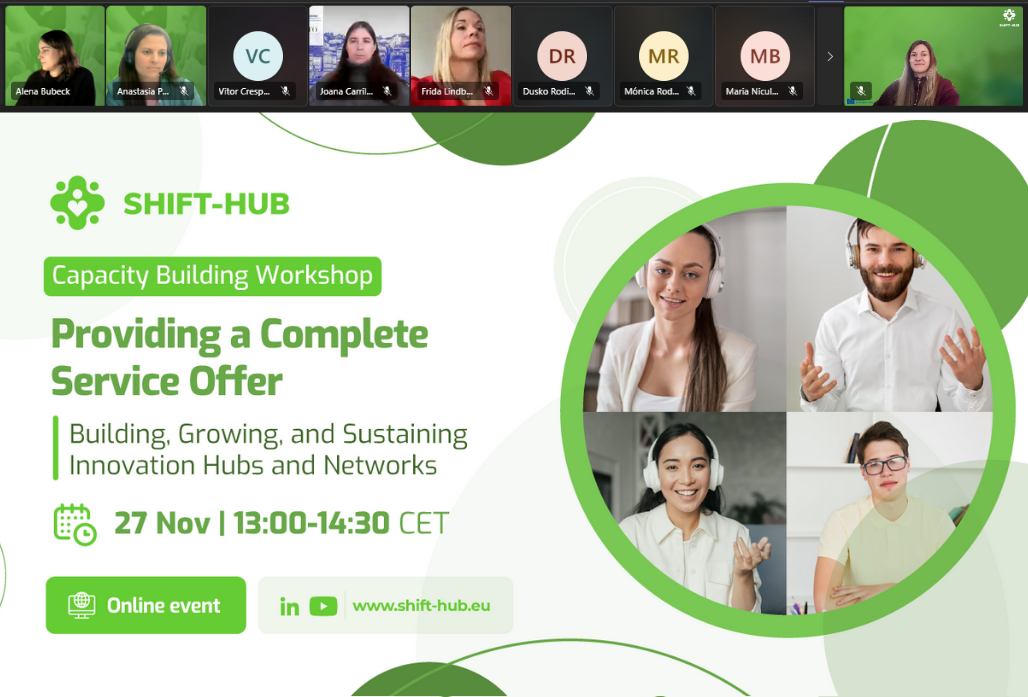
The SHIFT-HUB project, funded by the European Commission, co-organised an engaging online Capacity Building Workshop in collaboration with the EDIH Health Data Sweden and HealthTech Lisboa titled “Providing a Complete Service Offer: Building, Growing, and Sustaining Innovation Hubs and Networks” on November 27, 2025.
The workshop aimed to strengthen the capacity of innovation hubs and networks by showcasing concrete, real-world examples of successful hub development, service design, and sustainable growth strategies, particularly in the fields of health and digital innovation.
The event combined keynote presentations with interactive discussion rounds. Distinguished representatives from European innovation ecosystems shared their methodologies, lessons learned, and strategic approaches for establishing, managing, and sustaining innovation hubs. The presentations were followed by an engaging Q&A session that encouraged participant involvement, peer learning, and open dialogue.
Key Highlights - Speakers
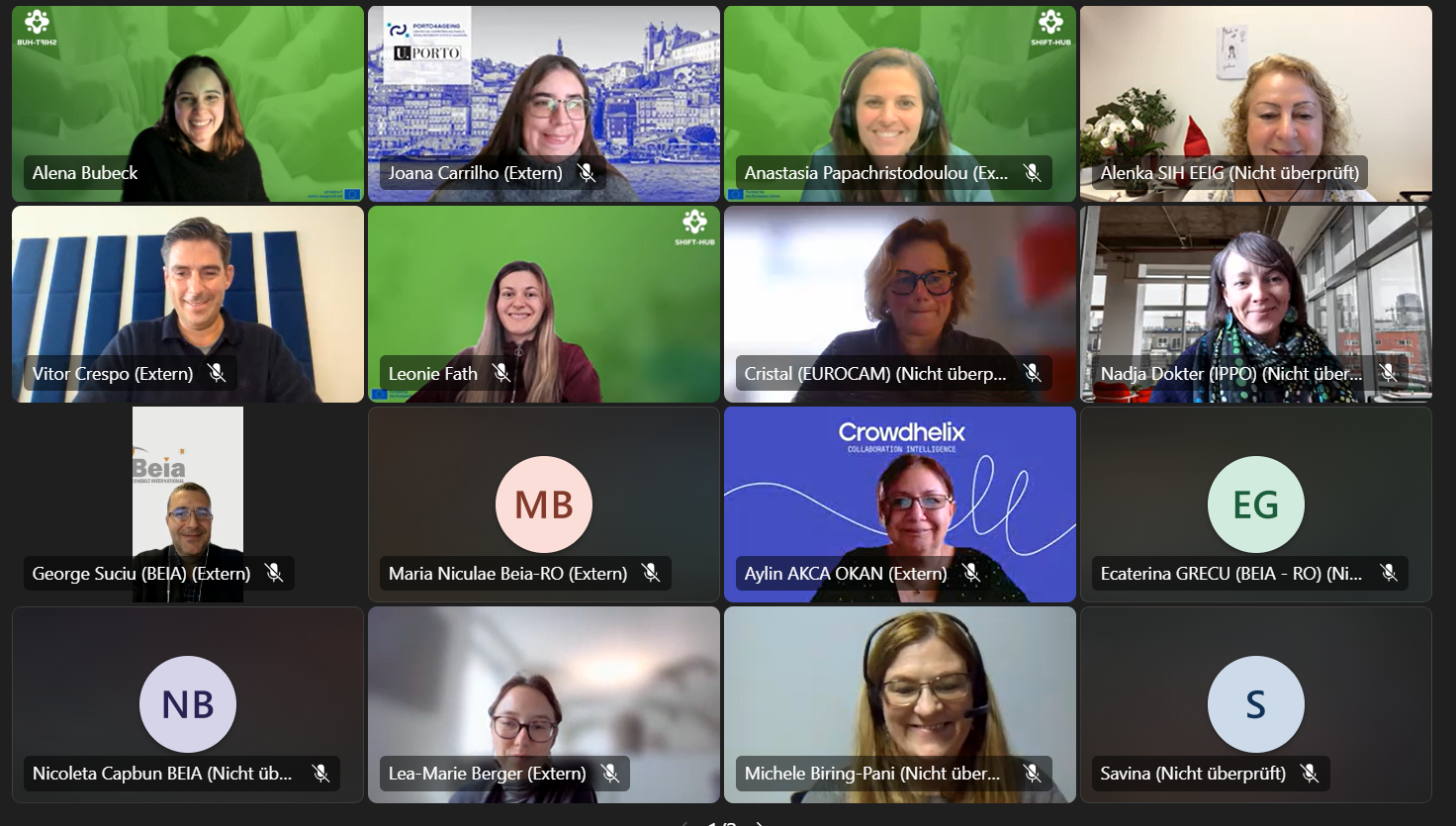
The workshop was moderated by Alena Bubeck, coordinator of the SHIFT HUB project and project manager at Steinbeis Europa Zentrum. She provided an introduction to SHIFT-HUB, its objectives, and its service offerings before welcoming the following experts:
ollowed by Joana Carrilho, who will share key insights into SHIFT-HUB and its service offer.
Distinguished speakers Frida Lindberg (Health Data Sweden EDIH) and Vitor Crespo (HealthtechLisboa) will share their experiences, challenges, and lessons learned across the three key stages of hub and network development:
- Joana Carrilho, International Project Manager at the University of Porto. She holds a PhD in Biomedical Sciences and works as a teacher and researcher in the development of Collaborative Innovation Ecosystems in Digital Health, Open Innovation and Real-World Technology Validation, and Health Technology Adoption and Adherence. She brings over 10 years of experience in business internationalisation, project management, tech transfer, entrepreneurship, and policy-improvement programs across Europe.
- Anastasia Papachristodoulou, Business and Innovation Consultant at KiNNO Innovation Intermediaries. She is a Chemical Engineer with an MSc in Pharmaceutical Chemistry and a PhD in Pharmaceutical Analysis. After her PhD, she pursued a post-doctorate in the study of natural product chemistry and has gained extensive research experience. She works on projects related to innovation, technology transfer, entrepreneurship, R&D management, and capacity building for strategic sectors such as energy, green transition, and smart health.
- Frida Lindberg, Operations Manager of EDIH Health Data Sweden. She has an academic background in medical technology and works at the KTH Royal Institute of Technology in Stockholm. She has spent her last 15 years working with project management in the boundaries between technology and health, research and implementation with special focus on innovation and growth.
- Vitor Crespo, Mentor & Advisor at HealthTech Lisboa, technology executive, entrepreneur, and founder of CRIAM Knowledge. He has held leadership roles at Microsoft across EMEA and is actively engaged in fostering health innovation ecosystems in Portugal, supporting startups, and building strategic connections between academia, industry, and investors.
Keynote Presentations and Insights
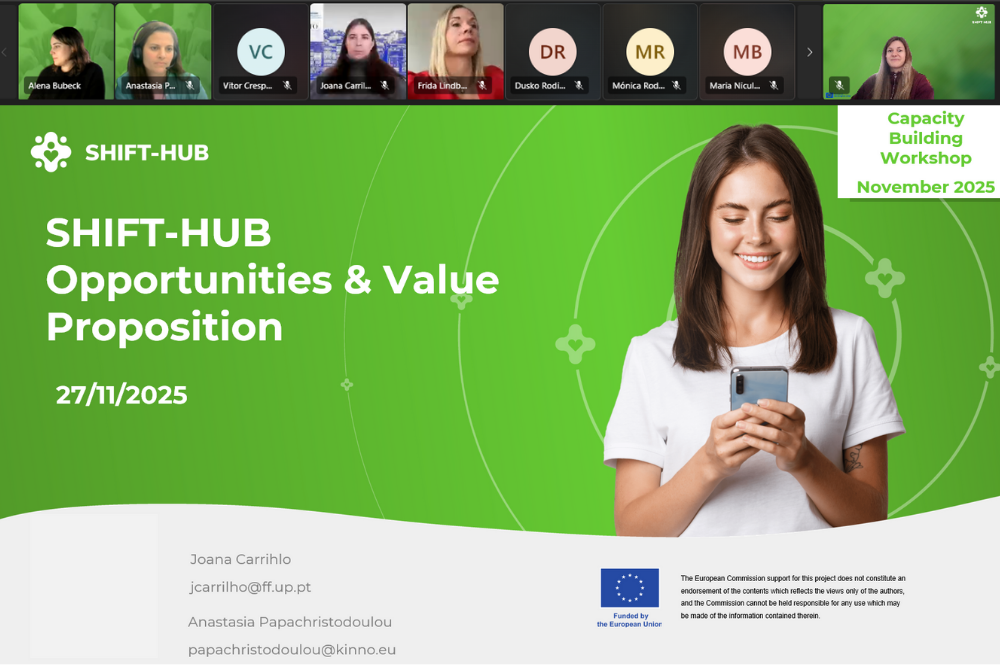
SHIFT-HUB Opportunities & Value Proposition
Speakers: Dr. Joana Carrilho &
Dr. Anastasia Papachristodoulou
Joana & Anastasia presented the evolution of the SHIFT-HUB service portfolio, shaped by an in-depth needs analysis of the European smart health ecosystem and a stakeholder-driven co-creation process.
Key points included:
- Comprehensive Needs Analysis: The SHIFT-HUB consortium began by mapping the needs of the European smart health ecosystem, engaging with stakeholders such as patients, citizens, practitioners, companies, researchers, universities, innovation intermediaries, funders and policy and decision makers. This analysis revealed gaps in support, knowledge transfer, and ecosystem connectivity.
- Stakeholder Engagement: SHIFT-HUB’s approach emphasised bilateral exchanges with regional partners, ensuring that services were co-created and tailored to real-world needs. The project also facilitated entrepreneurial discovery workshops and findings were consolidated into policy recommendations to guide ecosystem growth.
- Sustainability and Exploitation Strategy: As the project approaches completion, SHIFT-HUB is developing a sustainability model:
- Innovation Cluster, initially as a virtual platform, evolving into a distributed European network
- Business Model Exploration, assessing options such as consultancy services, premium access, and free-to-use services.
- Long-Term Impact strategies, focusing on ensuring that project results (methodologies, services, educational content) remain accessible and are adopted by other organisations, maximising the return on public investment.
Lessons Learned:
- Flexibility is essential to adapt services as stakeholder needs evolve.
- Trust and strong relationships underpin ecosystem success.
- Continuous feedback & co-creation strengthen relevance & provide real-world validation.
- Clear governance supports sustainable, scalable operations.
- Continuous feedback loops and co-creation with stakeholders.
- Transparent communication and clear governance for sustainability.
Insights from Health Data Sweden EDIH
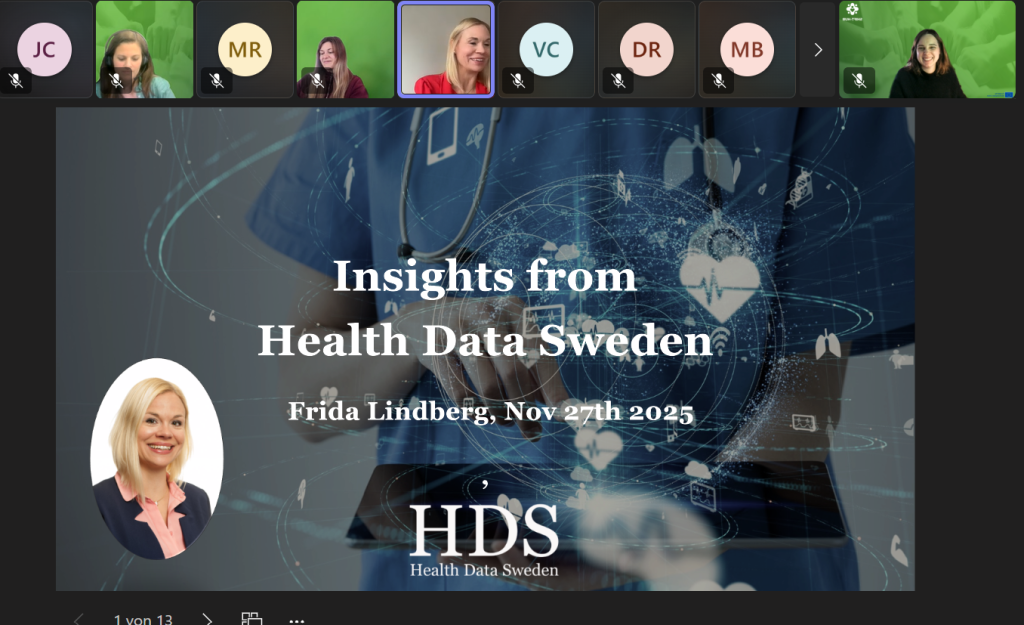
Speaker: Dr. Frida Lindberg
Frida provided an overview of the Swedish health innovation landscape and the role of the EDIH network in accelerating digital transformation across Europe.
Key points included:
- EDIH Network: Health Data Sweden is part of the European Digital Innovation Hubs (EDIH) network, supporting digital transformation for SMEs and the public sector, with a renewed focus on AI and data-driven innovation.
- Service Offerings: The hub provides free services in four main areas:
- Networking & Ecosystem Building: Facilitating connections between regional and national actors, universities, science parks, and healthcare providers.
- Skills & Training: Offering seminars, training sessions, and matchmaking to strengthen digital skills and investment readiness.
- Business Development & Finance: Supporting startups and SMEs with funding opportunities, business model development, and pitch training.
- Test & Validation: Helping companies understand regulatory, legal, and ethical requirements, and providing user testing and preparatory guidance.
- National Collaboration: The consortium includes 18 partners with complementary expertise and broad geographical coverage, enabling the sharing and scaling of services across Sweden.
- Service Directory and Challenges: An inventory of over 100 services was developed, but its complexity led to the creation of more intuitive, continuously updated “living services” tailored to user feedback.
Lessons Learned:
- The importance of continuous needs assessment and user feedback.
- The value of a strong, collaborative network for scaling impact.
- The need for digital platforms that are both comprehensive and easy to use.
- Flexibility in adapting services and communication to different stakeholder groups.
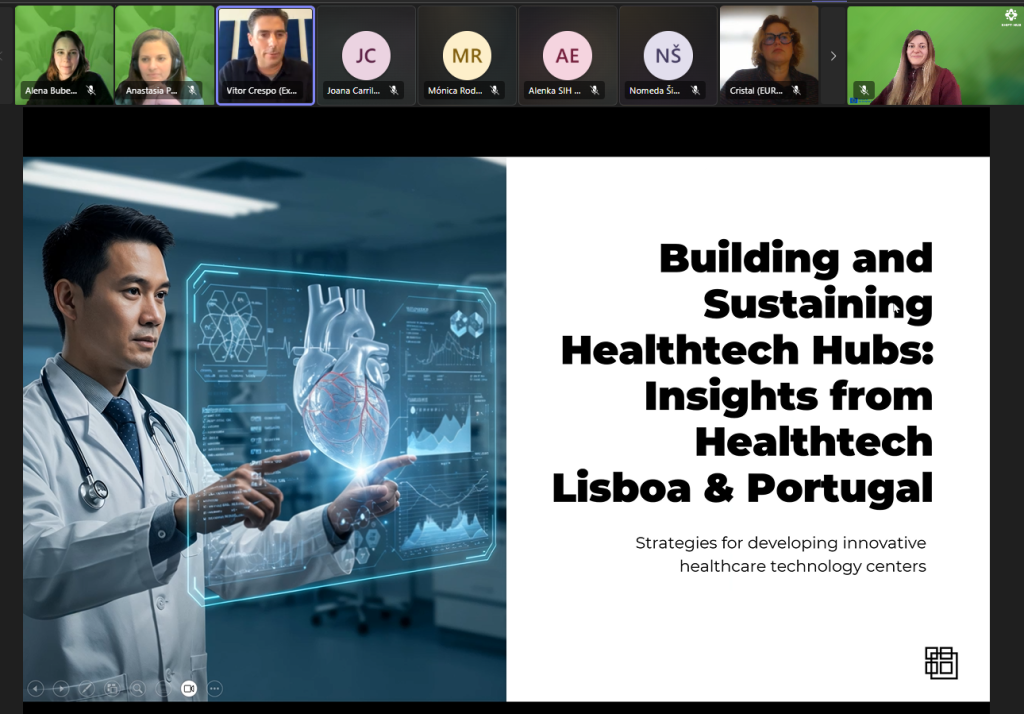
Building and Sustaining Healthtech Hubs: Insights from Healthtech Lisboa & Portugal
Speaker: Vitor Crespo
The workshop also featured a presentation by Vitor Crespo, who shared insights from the perspective of HealthTech Lisboa & Portugal. Vitor’s contribution focused on the development and sustainability of digital health innovation hubs in Portugal, highlighting both the opportunities and challenges faced in fostering a vibrant healthtech ecosystem.
Key points included:
- Ecosystem Building: Vitor described the journey of establishing HealthTech Lisboa as a central hub for digital health innovation in Portugal. The initiative focused on integrating academic, clinical, and entrepreneurial actors, and building trust among stakeholders.
- Service Offerings:
- Acceleration Programs: Tailored support for startups at various stages, including mentorship, business development, and regulatory guidance.
- Access to Funding: Connecting startups with investors, public funding, and venture capital.
- Community Engagement: Facilitating collaboration between academia, industry, and investors, and promoting knowledge exchange.
- Sustainability and Impact:
- Diversified Funding: The hub pursues multiple funding streams (public, private, EU grants) to ensure long-term viability.
- Adaptability: Services are continuously adapted to meet the changing needs of startups and the broader ecosystem.
- Replication and Scaling: HealthTech Lisboa actively shares best practices and lessons learned with other hubs and networks across Europe.
Lessons Learned:
- Flexibility and openness to change are crucial for sustainability.
- Building trust and credibility within the ecosystem takes time and consistent effort.
- Sharing knowledge and collaborating across borders accelerates innovation and impact.
- The importance of supporting startups not just with funding, but with holistic, stage-appropriate guidance.
Discussion
The workshop fostered a dynamic exchange of experiences, strategies, and lessons learned from leading European innovation hubs. Participants reflected on both the opportunities and challenges in building, growing, and sustaining innovation ecosystems, highlighting several recurring themes:
- Stakeholder-Centred Service Design: Successful hubs prioritise the needs of their stakeholders, including startups, SMEs, researchers, healthcare providers, and citizens. Continuous needs assessment, co-creation, and iterative feedback loops ensure that services remain relevant, impactful, and responsive to evolving ecosystem demands.
- Collaboration as a Growth Driver: Effective hubs leverage partnerships within regional ecosystems and across Europe. Cross-border collaboration enables the sharing of best practices, resources, and methodologies, enhancing both scalability and the collective impact of innovation activities.
- Sustainability and Long-Term Viability: Transitioning from project-based initiatives to sustainable operations requires diversified funding, transparent governance, and strategic planning. Hubs that integrate financial, operational, and community strategies are better equipped to maintain their services and expand their reach over time.
- Digital Platforms and Scalable Solutions: Online platforms, virtual clusters, and service directories were recognised as key enablers of accessibility and scalability. When designed with user-friendliness and adaptability in mind, digital tools allow hubs to reach wider audiences, facilitate knowledge exchange, and streamline service delivery.
- Continuous Adaptation and Innovation: Hubs must remain flexible and open to change. Regular monitoring, stakeholder feedback, and iterative improvements are essential to maintain relevance, respond to emerging opportunities, and drive ecosystem growth.
Overall, the discussion underscored that building and sustaining innovation hubs is a multifaceted process that combines strategic planning, stakeholder engagement, adaptable service offerings, and collaborative networks. The insights shared during the workshop provide a roadmap for developing resilient, high-impact hubs capable of supporting health and digital innovation across Europe.
Outcomes and Takeaways
The SHIFT-HUB Capacity Building Workshop “Providing a Complete Service Offer: Building, Growing and Sustaining Innovation Hubs and Networks” successfully outlined the essential elements for building, growing, and sustaining innovation hubs and networks. Through practical examples and discussions, participants gained insights into co-creation, stakeholder-driven service design, and strategies for long-term sustainability. The workshop emphasised the importance of flexible, adaptable services, trust-building within ecosystems, diversified funding, and effective governance. Digital platforms and cross-border collaboration were identified as key enablers for scaling impact and sharing knowledge, while comprehensive support, spanning training, mentorship, funding access, and validation services, was shown to drive ecosystem growth and innovation adoption. Overall, the event reinforced the value of connected, stakeholder-focused hubs as catalysts for European health and digital innovation.